Framing options

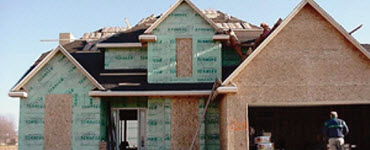
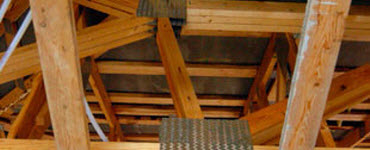
You have energy efficient and sustainable options when it comes to framing your new home.

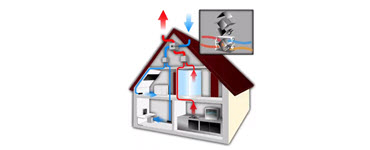
In newer homes, energy-efficient building practices are used to avoid drafts, but these air tight homes can result in uncomfortable air quality and ventilation.
See our Air Quality section for more information.
In this video: An industry expert discusses green technologies that improve air quality in new construction.
You have energy efficient and sustainable options when it comes to framing your new home.
A preservation expert shares how to restore an older home economically and energy efficiently.
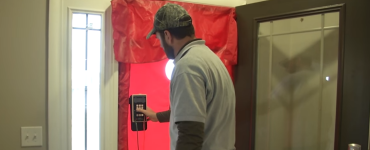
An energy rater can help make your new home more energy-efficient through every stage of the construction process.
An energy-smart builder will help you make the right choices for your family and lifestyle.
Using the sun's stored energy to heat your home reduces your conventional energy consumption.
Your roof and attic play the most crucial role in your home's energy efficiency system, reducing your energy costs during the winter and summer.
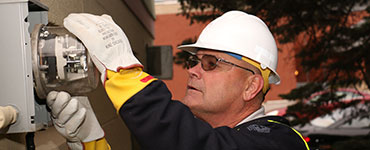
Before you break ground on a new house, give your utility companies a call. They can help you avoid unnecessary expenses and construction delays.