Decoding building requirements
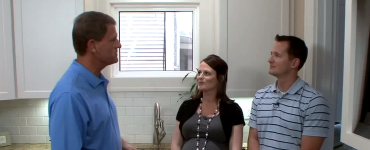
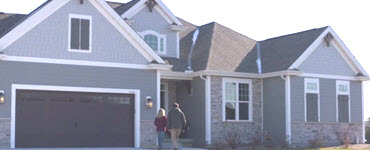
Learn about some of the changes for new homes built today. An expert highlights some of the things to consider when building a new home.

In newer homes, energy-efficient building practices are used to avoid drafts, but these air tight homes can result in uncomfortable air quality and ventilation.
See our Air Quality section for more information.
In this video: An industry expert discusses green technologies that improve air quality in new construction.
Learn about some of the changes for new homes built today. An expert highlights some of the things to consider when building a new home.
This kitchen remodel features a new window, energy-efficient lighting, new appliances and side-wall insulation.
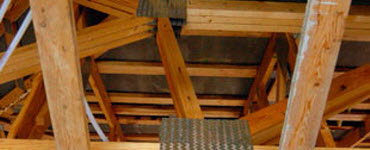
You have energy efficient and sustainable options when it comes to framing your new home.
Habitat for Humanity is an organization that provides simple, sturdy homes. Learn how energy efficiency is a key factor in building these homes.
When building your new home, don't forget about the importance of energy-conserving products like furnaces, air conditioners and appliances.
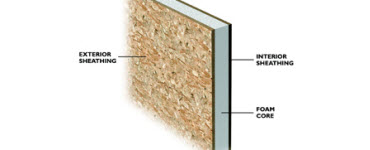
Structural insulated panels, also called SIPs, foam-core panels or stress-skin panels, are significantly more airtight than stud walls.
Your roof and attic play the most crucial role in your home's energy efficiency system, reducing your energy costs during the winter and summer.
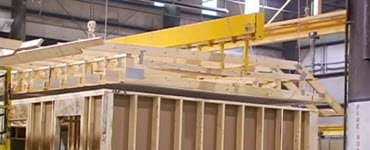
Modular homes are built in a factory under controlled conditions, then shipped to the homesite and placed on a permanent foundation.
Check out a new neighborhood concept and see how one builder is changing the way homes are built with a goal to use zero energy.