Insulated concrete forms
How it works
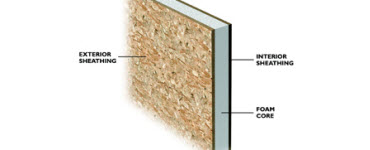
The foam blocks are fitted together like puzzle pieces or secured using C-shaped channels. Installers reinforce the forms with steel rebar, then fill the hollow chambers with concrete.Electrical and plumbing lines are concealed within carved channels cut into the foam walls. Both the interior and exterior can be covered with any type of finishing product, including drywall, plaster, brick, stucco or siding.
Energy savings
The insulation value of a finished wall ranges from R-18 to R-26, and the solid concrete core virtually eliminates the cold drafts typical of wood-frame construction. This means most ICF homes have utility bills 30 percent lower than typical homes.Other benefits
A typical four-inch-thick foam block wall is four to six times stronger than a conventional "stick-built" house, making it resistant to fire, violent winds and even earthquakes. In some areas, owners of foam-block houses may qualify for lower home insurance premiums.The combination of high-mass concrete and permanent insulation will also reduce noise pollution, resulting in a quieter home.
Costs
The construction costs for ICF houses usually runs about five to seven percent more than wood framing, but the costs can be paid back in energy savings in two or three years.More from this category
Choosing energy-smart products
When building your new home, don't forget about the importance of energy-conserving products like furnaces, air conditioners and appliances.
Net Zero Community
Check out a new neighborhood concept and see how one builder is changing the way homes are built with a goal to use zero energy.

Decoding building requirements
Learn about some of the changes for new homes built today. An expert highlights some of the things to consider when building a new home.
Talk to your utilities
Before you break ground on a new house, give your utility companies a call. They can help you avoid unnecessary expenses and construction delays.
Air quality and ventilation in new homes
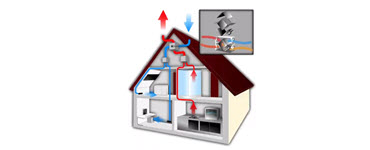
New, energy-efficient homes need new solutions to circulate and ventilate the air inside the home.
Roof and attic
Your roof and attic play the most crucial role in your home's energy efficiency system, reducing your energy costs during the winter and summer.
Green home construction
More builders are offering sustainable choices in new home construction. Find out what's available and how it impacts the earth and the bottom line.
Historic preservation
A preservation expert shares how to restore an older home economically and energy efficiently.