Insulated concrete forms
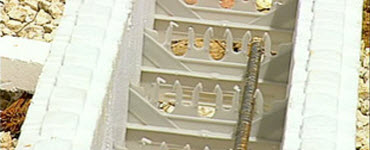
An insulated concrete form (ICF) system eliminates the cold drafts typical of wood-frame construction.

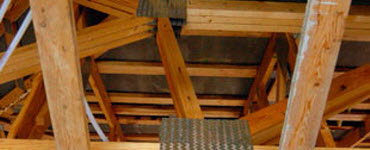
Structural insulated panels (SIPs), also called foam-core panels or stress-skin panels, are sheets of foam insulation sandwiched between oriented strand board or another type of composition wood.
Unlike traditional wood construction, SIPs use no studs in the construction process. These strong, super-insulated structural building components can be used for floors, walls and roof.
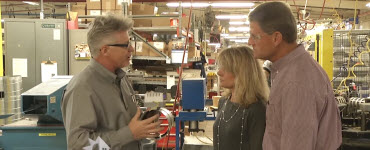
In this video: An industry expert demonstrates SIPs and how they can integrate into your home.
SIPs also offer a few more advantages over standard framing:
Older types of SIPs did have concerns with fire safety and insect damage, but improved manufacturing techniques, along with proper installation, have eliminated the problems.
While SIPs cost more than traditional building materials, they require less labor to install, making the total construction cost about the same.
An insulated concrete form (ICF) system eliminates the cold drafts typical of wood-frame construction.
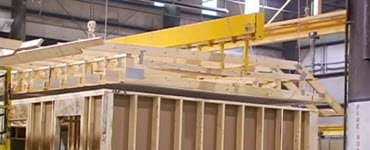
Modular homes are built in a factory under controlled conditions, then shipped to the homesite and placed on a permanent foundation.
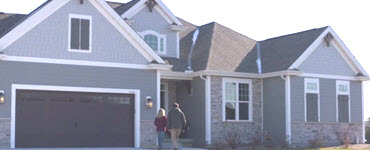
Check out a new neighborhood concept and see how one builder is changing the way homes are built with a goal to use zero energy.
Learn about some of the changes for new homes built today. An expert highlights some of the things to consider when building a new home.
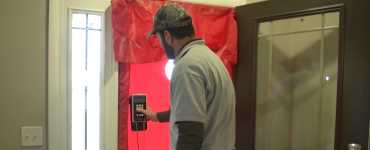
An energy rater can help make your new home more energy-efficient through every stage of the construction process.
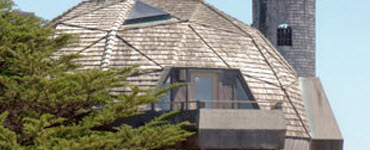
A geodesic design uses interconnected triangles to create a strong, environmentally friendly structure.
New, energy-efficient homes need new solutions to circulate and ventilate the air inside the home.
When building your new home, don't forget about the importance of energy-conserving products like furnaces, air conditioners and appliances.
Your roof and attic play the most crucial role in your home's energy efficiency system, reducing your energy costs during the winter and summer.