Installing a heating and cooling system
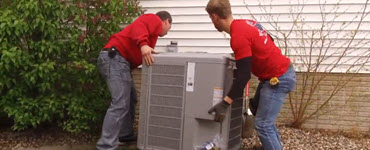
One of the biggest purchases a homeowner can make is to install a new furnace and air conditioner. Learn what you need to know when faced with this big decision.

A radiant heating system uses electric cables or small tubes of hot water embedded in a concrete floor, under a tiled floor or attached to the underside of the subfloor.
Instead of heating air and circulating it throughout the house, radiant heat warms objects - carpet, furniture and even people. Less energy is needed to transfer heat directly to people, rather than fill the entire room with heated air like a forced-air furnace.
In this video: Megan talks to an installer to learn how radiant heating is installed and operates.
One of the biggest purchases a homeowner can make is to install a new furnace and air conditioner. Learn what you need to know when faced with this big decision.
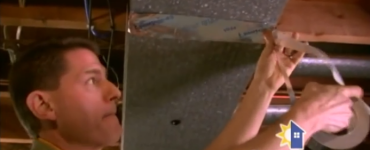
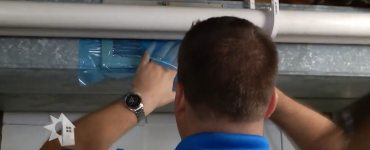
Leaks in your ductwork mean the air you've paid to heat or cool is not getting where it needs to go. Find out how to diagnose and fix this common problem.
When planning your new home, make sure you consider newer heating and cooling technologies that could save you money.
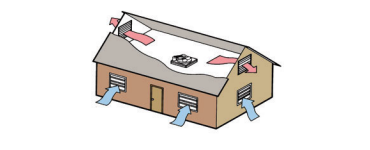
A whole-house fan, also known as an attic fan, provides great ventilation, lowers indoor temperatures and summer electric bills.
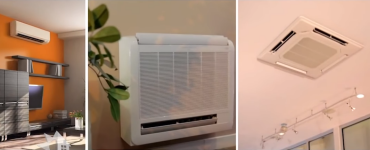
A ductless mini-split system provides heating and air conditioning to spaces where a traditional ducted system won't work.
Shop and compare when choosing a new heating system. Look for the yellow Energy Guide label to see how one unit stacks up against another.
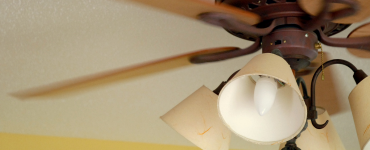
A cooling breeze can reduce your need for air conditioning.There are some important things to know about purchasing and installing ceiling fans.
There are lots of "tips" out there that may not be true or safe. Find out how to separate facts from fiction.
It's important to keep this big piece of equipment in tip-top shape in order for it to operate at peak efficiency.