Carbon monoxide - the invisible enemy

Find out what causes deadly carbon monoxide poisoning - and how to prevent and detect it.

As with any type of energy, the key to safety is common sense, but there are a few special rules to keep in mind around natural gas appliances:
The right way:
If you have natural gas appliances, when was the last time you thought about the connector that joins the appliance to the gas line?
Older flexible connectors made of uncoated brass can weaken or crack over time, which could lead to a dangerous and deadly gas leak.
Any uncoated brass gas appliance connector should be replaced immediately with a new stainless steel connector.
To industry knowledge, these dangerous connectors have not been made for more than 25 years, but you might still have one in use on an older appliance, including a clothes dryer, water heater, space heater, or stove.
Although not all uncoated brass connectors have this flaw, it is very difficult to tell which ones do. Follow these guidelines to keep your family and home safe:
Find out what causes deadly carbon monoxide poisoning - and how to prevent and detect it.
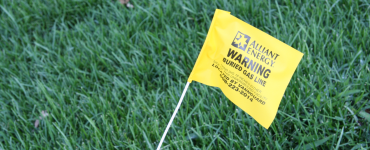
If you have buried natural gas lines on your property, make sure you know how to locate and maintain them.
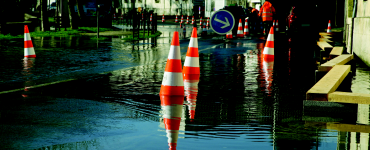
Walking through a wet or flooded basement can be dangerous. To be safe, you should always assume that basement flood water is energized.
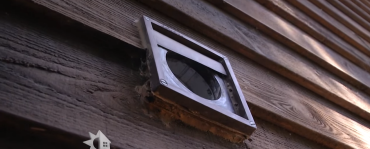
Drying clothes takes a lot of energy. Keeping your dryer vent clean makes your appliance more energy efficient.
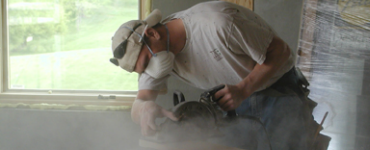
Taking a few minutes to check power tools before and after using will keep them in good working order and will keep you safe.
Many homeowners are investing in home security systems to deter criminals, provide home protection and deliver peace of mind.
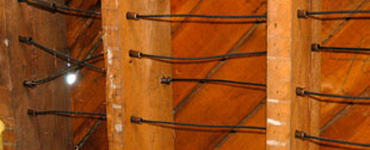
The wiring inside most older houses wasn’t designed to handle the electrical needs we have today.